
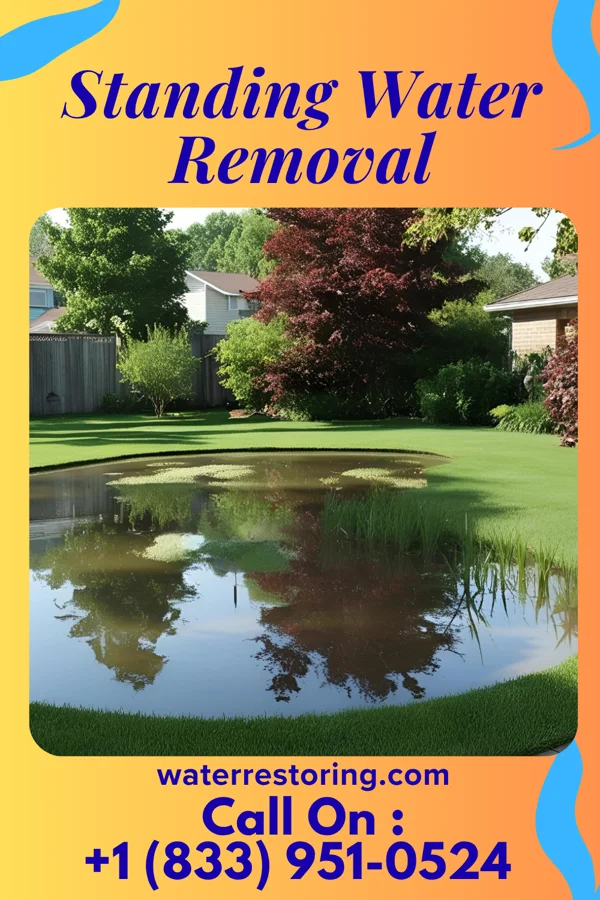
Why Maryland Park Standing Water Demands Fast Removal
Most water damage emergencies in Maryland Park start with In Maryland Park, Maryland, water damage is commonly caused by heavy rainfall and stormwater runoff due to the area's proximity to the Potomac River and its flat terrain. Additionally, aging infrastructure and frequent sewer overflows contribute to localized flooding, particularly during the spring and summer months.. A close second is Secondary causes include leaking plumbing systems in older homes, basement flooding from groundwater seepage, and water intrusion from nearby construction sites. These issues are exacerbated by the high population density and limited drainage capacity in the area.. From the second water touches the property, every minute changes what gets saved and what gets ripped out.
Maryland Park experiences a humid subtropical climate, leading to frequent thunderstorms and heavy downpours. The region is also at risk for flash flooding due to its location near the Anacostia River and the surrounding wetlands, which can swell rapidly during heavy rains.
Most standing water removal calls in Maryland Park come from In Maryland Park, Maryland, water damage is commonly caused by heavy rainfall and stormwater runoff due to the area's proximity to the Potomac River and its flat terrain. Additionally, aging infrastructure and frequent sewer overflows contribute to localized flooding, particularly during the spring and summer months.. Running a close second is Secondary causes include leaking plumbing systems in older homes, basement flooding from groundwater seepage, and water intrusion from nearby construction sites. These issues are exacerbated by the high population density and limited drainage capacity in the area.. Local mold risk: Mold growth in Maryland Park is a significant concern due to the high humidity levels and frequent moisture exposure. Prompt water extraction and drying are critical to prevent mold from taking hold in homes and commercial properties.
For public guidance on the health effects of mold after prolonged water exposure, see the EPA mold and health page.